July 6, 2026
Digital printing has transformed the way businesses produce marketing materials, packaging, labels, and internal documents by dramatically reducing turnaround times. Unlike traditional offset printing, which depends on physical plates and extensive setup work, digital printing allows files to move directly from a computer to a printing system with minimal delay. This shift has changed expectations across industries where speed, flexibility, and responsiveness now matter as much as print quality.
For many organizations, production timelines that once took weeks have been reduced to days or even hours. Digital printing makes this possible by removing many of the mechanical steps that slow down traditional workflows. As businesses continue to compete in fast-moving markets, digital printing has become a critical tool for staying agile and efficient.
How Does Digital Printing Work?
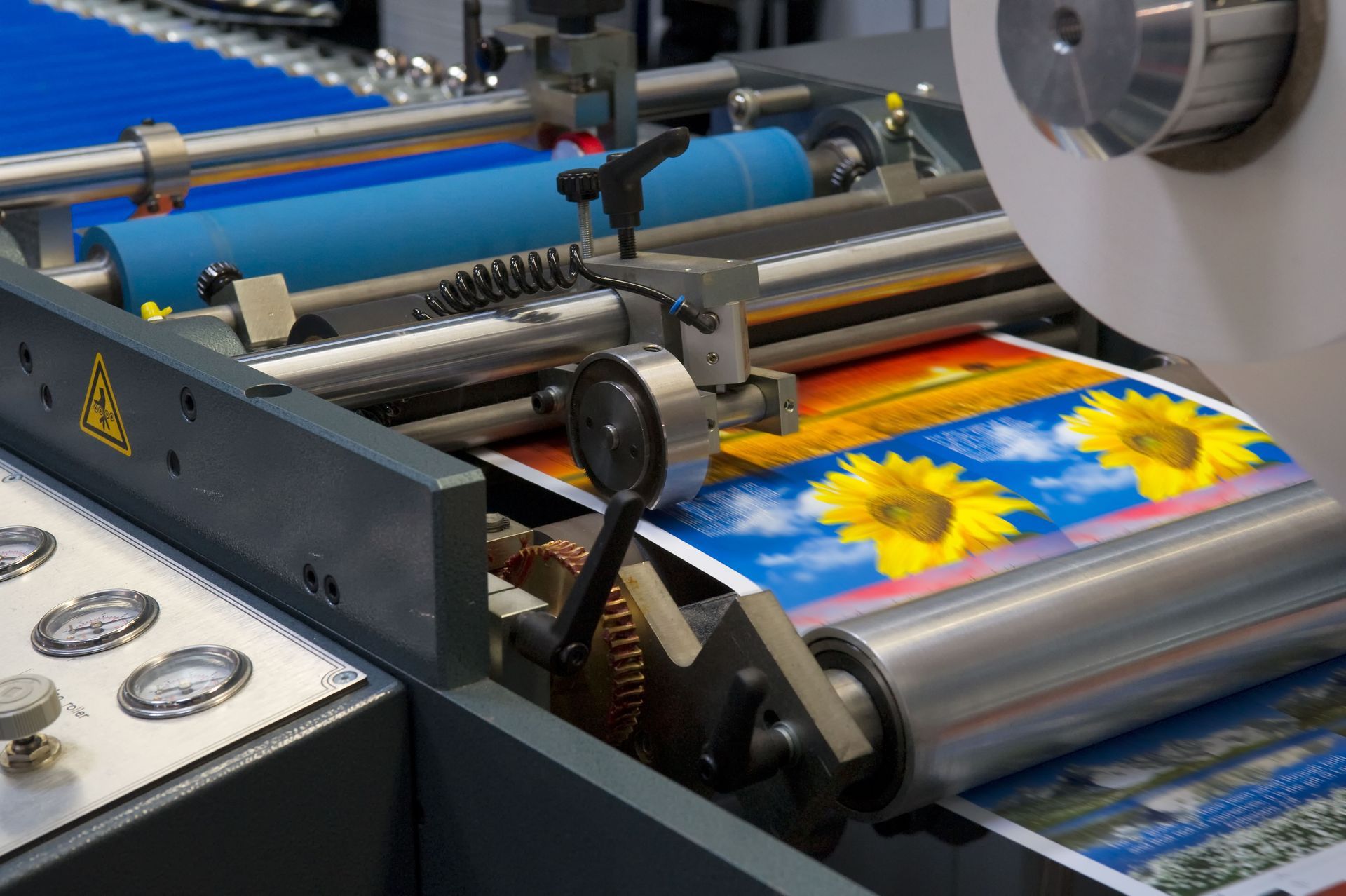
Digital printing works by transferring digital files directly onto a chosen material using advanced inkjet or laser-based systems. Instead of creating printing plates for each color layer, the process uses data-driven imaging to apply ink or toner precisely where it is needed.
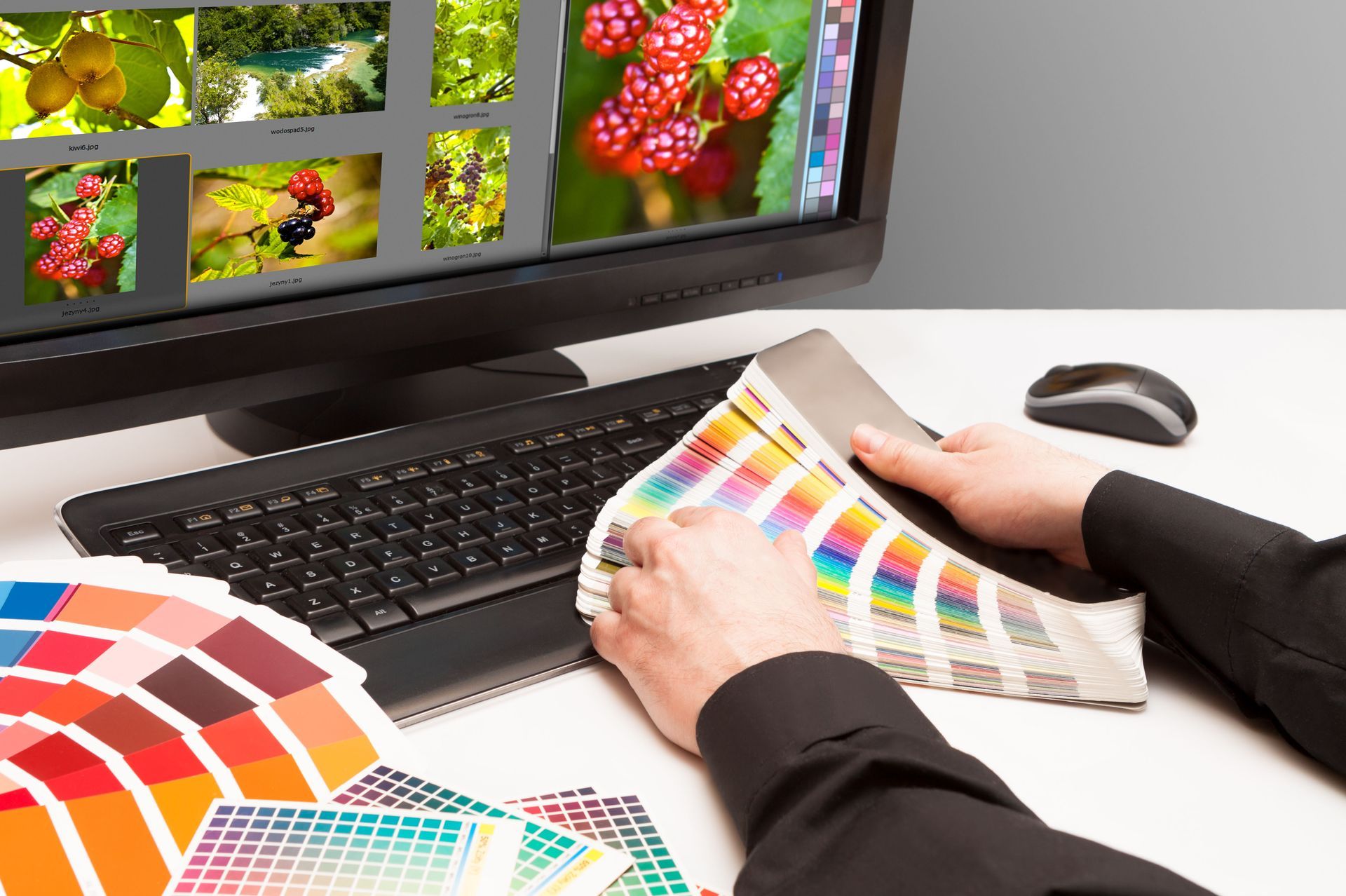
When a file is submitted, it is processed through specialized software that interprets color values, layout structure, and resolution requirements. The printer then reproduces the design directly onto substrates such as paper, cardstock, labels, or packaging materials.
This direct-to-output method is what makes digital printing so fast. There is no waiting for plates to be created, no physical setup alignment, and no lengthy calibration stages required before production begins. Because of this streamlined process, digital printing has become a preferred solution for short runs, urgent jobs, and highly customized projects.
What Are the Benefits of Digital Printing for Businesses?
One of the most important advantages of digital printing is its ability to significantly reduce production time. Businesses can take a design from concept to finished product in a very short timeframe, which is especially valuable for time-sensitive campaigns or last-minute updates.
Another major benefit is cost efficiency for smaller print runs. Traditional printing becomes cost-effective only at high volumes due to setup expenses. Digital printing removes those barriers, allowing businesses to print exactly what they need without excessive upfront investment.
Flexibility is also a defining advantage. With digital printing, companies can easily adjust artwork, update text, or modify layouts without restarting the entire production process. This is particularly useful for marketing teams that frequently test different versions of ads or promotional materials.
Personalization is another powerful feature. Digital printing supports variable data printing, which allows each printed piece to be customized individually. This means businesses can create targeted campaigns with names, locations, or unique codes without slowing down production speed.
How Does Digital Printing Improve Production Speed?
Another key factor is the elimination of prepress stages. In traditional printing, prepress includes plate creation, proofing, and alignment adjustments. Each of these steps adds time and increases the risk of delays. Digital printing removes these stages entirely, allowing production to begin almost immediately after file approval. Cloud-based workflows also play a role in improving speed. Files can be uploaded, reviewed, and approved in real time, reducing communication delays between design teams and print providers. As a result, digital printing has become one of the fastest end-to-end production methods in the industry.
The speed of digital printing comes from both technological innovation and workflow simplification. Modern digital presses are highly automated, meaning they can handle file processing, color correction, and print execution with minimal human intervention. Many systems also include built-in quality control features that continuously monitor output, reducing the need for manual checks and helping maintain consistent results across long production runs.
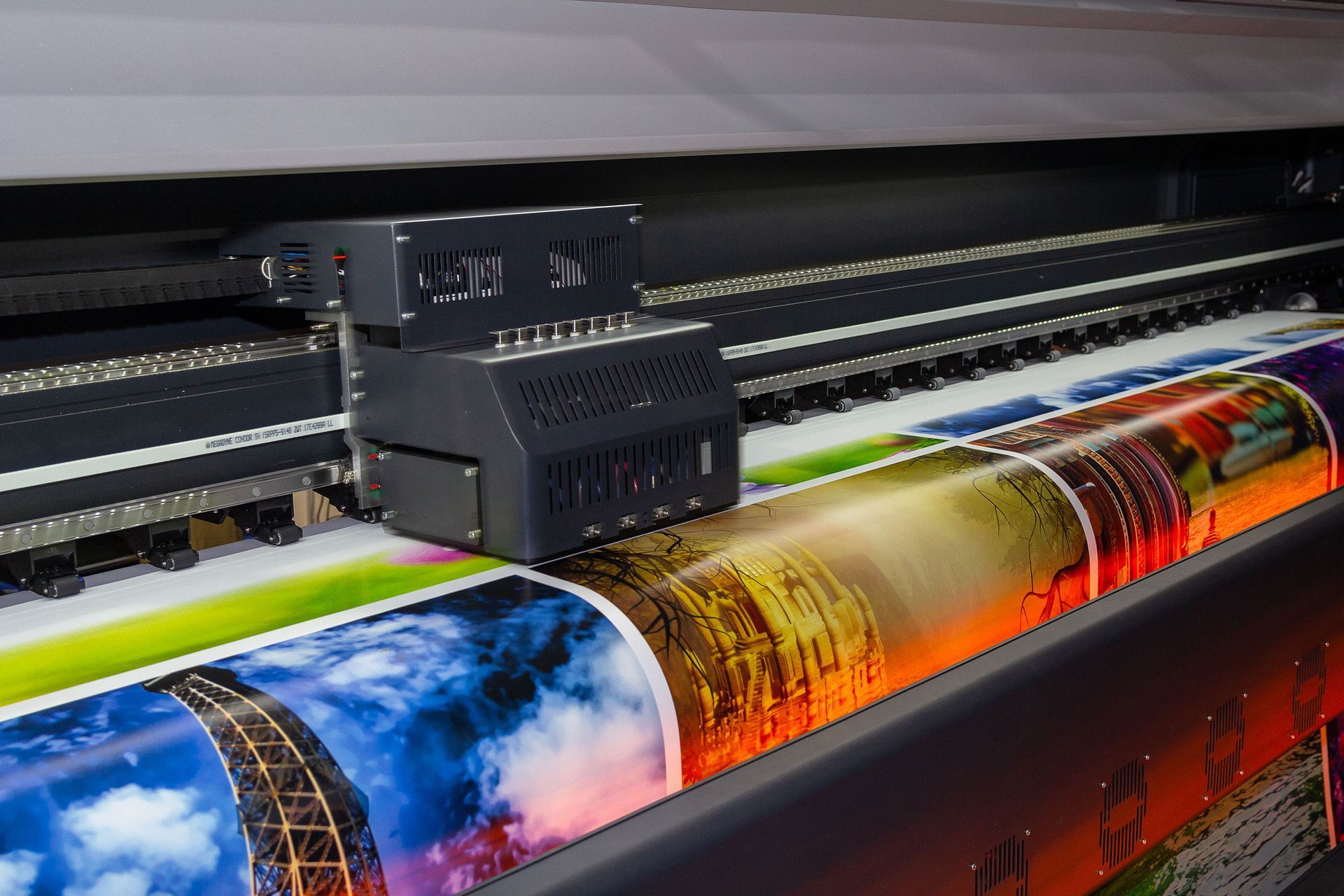
High-speed inkjet systems, in particular, have advanced significantly in recent years. These machines can produce large volumes while maintaining consistent quality, making them suitable for both commercial and industrial applications. Improvements in nozzle precision and drying technology have also allowed these presses to run at higher speeds without sacrificing sharpness or color accuracy, even on more complex substrates.
Another key factor is the elimination of prepress stages. In traditional printing, prepress includes plate creation, proofing, and alignment adjustments. Each of these steps adds time and increases the risk of delays. Digital printing removes these stages entirely, allowing production to begin almost immediately after file approval. This reduction in setup complexity also makes last-minute edits far easier to implement without disrupting the entire workflow.
Why Is Digital Printing More Efficient Than Traditional Printing?
Digital printing is more efficient than traditional offset printing because it eliminates many of the physical and mechanical steps that slow down production. Offset printing requires metal plates for each color, which must be created, installed, and tested before a job can begin. This setup process is time-consuming and cost-intensive.
By contrast, digital printing operates directly from electronic files, meaning there are no plates, no lengthy setup procedures, and far less material waste. This efficiency is especially noticeable in short-run projects where offset printing would be impractical or too expensive.
Another efficiency advantage is on-demand production. Businesses no longer need to print large quantities in advance and store them in warehouses. Instead, digital printing allows for smaller, more frequent production runs that align with actual demand. This reduces storage costs and minimizes the risk of obsolete inventory.
Efficiency also extends to waste reduction. Because digital printing does not require test runs or setup sheets, it produces fewer discarded materials. Over time, this contributes to both cost savings and environmental benefits.
From a broader industry perspective, the demand for fast, adaptable print solutions continues to grow. According to Market.us Scoop, packaging represents about 38% of the global commercial printing market, highlighting how important scalable and efficient technologies like digital printing have become in meeting global production needs.
What Are Some Case Studies or Examples of Success in Digital Printing?
Many industries have adopted digital printing to improve turnaround times and operational efficiency. In retail, companies frequently rely on digital printing to produce promotional signage, seasonal displays, and point-of-sale materials. Instead of waiting weeks for traditional production cycles, retailers can update their messaging quickly to match changing campaigns or inventory.
In e-commerce, digital printing plays a major role in packaging and label production. Online retailers often experience frequent product changes, and digital printing allows them to update packaging designs without holding large amounts of preprinted stock. This flexibility helps maintain consistent branding while adapting quickly to market shifts.
Publishing is another area where digital printing has had a major impact. Short-run and print-on-demand books are now widely produced using digital methods, allowing publishers to reduce storage costs and respond quickly to demand. This has also opened opportunities for independent authors and niche publications that would not be viable under traditional offset systems.
Logistics and manufacturing sectors also benefit from digital printing through the production of shipping labels, barcodes, and compliance documentation. These materials often require frequent updates, and digital printing allows for fast revisions without interrupting operational flow.
Across all of these examples, the common factor is speed. Businesses that adopt digital printing consistently report faster turnaround times, fewer production bottlenecks, and improved responsiveness to market demands.
Digital printing has become an essential part of modern production workflows because it significantly reduces the time required to move from concept to finished product. By eliminating traditional setup steps and enabling direct file-to-print workflows, digital printing delivers unmatched speed and flexibility.
Its advantages extend beyond turnaround time, offering cost savings, customization capabilities, and improved efficiency across both small and large production runs. As industries continue to demand faster and more adaptable solutions,
digital printing will remain a key driver of innovation in commercial print production.
With its growing role in sectors like packaging, retail, publishing, and logistics, digital printing is not just a convenience—it has become a foundational technology for businesses that need to stay competitive in fast-paced environments. If you're looking for quality digital printing, reach out to the team at 224 Graphics, Inc today!